Oakley School
Attendance
Our Attendance Expectations at Oakley School
At Oakley School, we know that every day in school makes a difference. We want to work closely with you to make sure your child feels safe, supported and ready to learn.
Letting us know about absences
If your child is unwell or unable to attend, please contact our Attendance Officer as early as possible on the first day of absence.
How to report an absence or appointment:
- Class Dojo: Send a message to the Attendance Officer
- Absence Line: Call the school office absence line 01892 823096
- Arbor: Send a message on Arbor
- Email: Email the School Office
It is really important that absences are reported through the school office, not via teachers, as messages passed informally can be missed and may lead to unnecessary follow‑up calls.
Please include:
- Your child’s name
- Their class
- The reason for absence
- Expected return date (if known)
Authorised vs Unauthorised Absence
Absences may be authorised for:
- Illness
- Medical or specialist appointments
- Exceptional circumstances (considered individually)
Absences will be marked as unauthorised if:
- No reason is provided
- The reason doesn’t meet authorised criteria
- Holidays or avoidable absences take place during term time
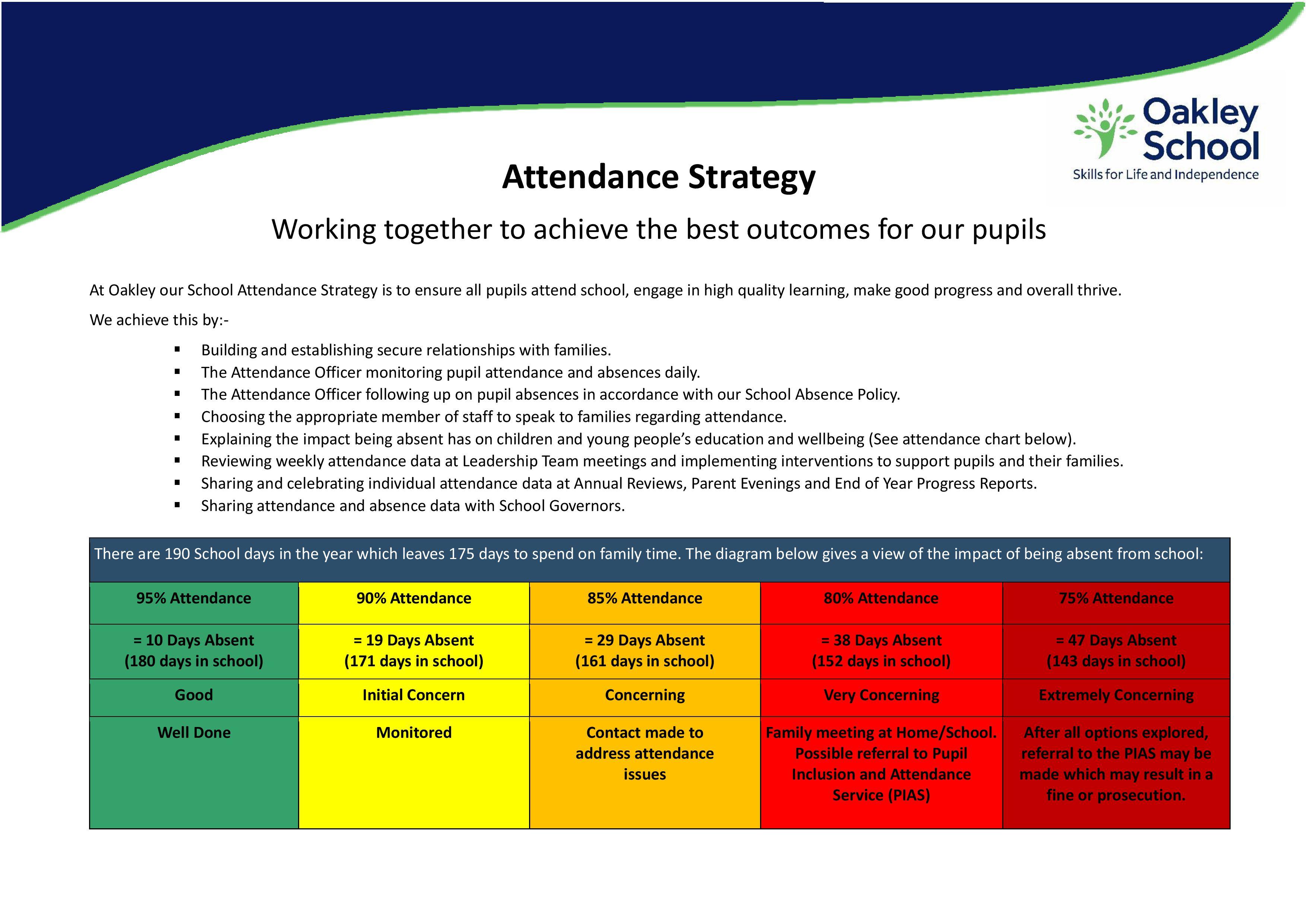
How We Monitor Attendance
We regularly review attendance to ensure pupils are safe and receiving the support they need. If we notice a pattern or concern:
- We may contact you to discuss what’s happening
- We’ll work together to understand any difficulties
- Support may be offered to help improve attendance
Our aim is always to help, not to pressure.
Why Attendance Matters
Good attendance is essential for many reasons:
1. Safety and Safeguarding
We must know where every pupil is each day. Attendance helps us fulfil our safeguarding duty.
2. Routine and Emotional Wellbeing
Many of our pupils thrive on structure. Being in school helps them feel settled, secure and ready to learn.
3. Access to Teaching and Therapy
Regular attendance means your child won’t miss:
- Specialist teaching
- Speech & Language Therapy
- Occupational and Physiotherapy sessions
- Social and emotional support
4. Social Interaction
School provides valuable opportunities to:
- Build friendships
- Develop communication
- Practise independence and life skills
5. Progress and Long‑Term Development
Every session contributes to your child’s learning journey, confidence, independence and preparation for adulthood.